


Explore our heritage
We have close to five decades of infrastructure investing experience, including 25 years in clean energy
Read our story
3GW
Financed and Constructed
927MW
Currently Managed
58
LOCATIONS
500MW
In Development
Investment platforms over the years
open
2023
Fund 3 - L&G NTR Clean Power (Europe) SCSp RAIF
This fund combines the sustainable infrastructure expertise of NTR with the stewardship and institutional network of LGIM, one of Europe’s largest asset managers, to tackle the climate emergency.
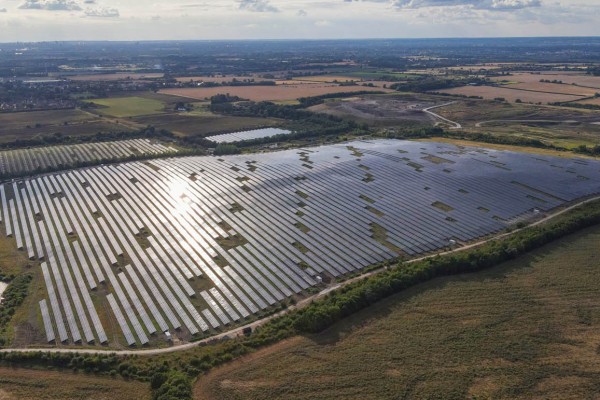
The fund invests in the development, construction and operation of wind, solar and energy storage assets, offering exposure to a diversified portfolio of proven technologies across a number of European countries.

215 MW
Wind & solar acquired and under construction
completed
2018
Fund 2 - NTR Renewable Energy Income Fund II
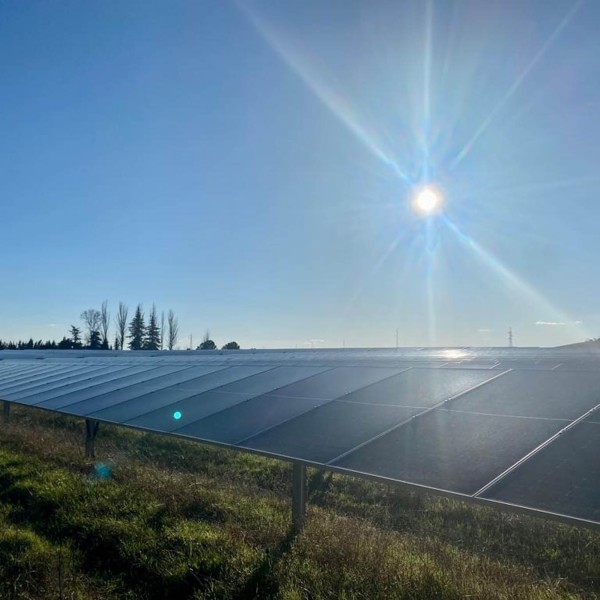
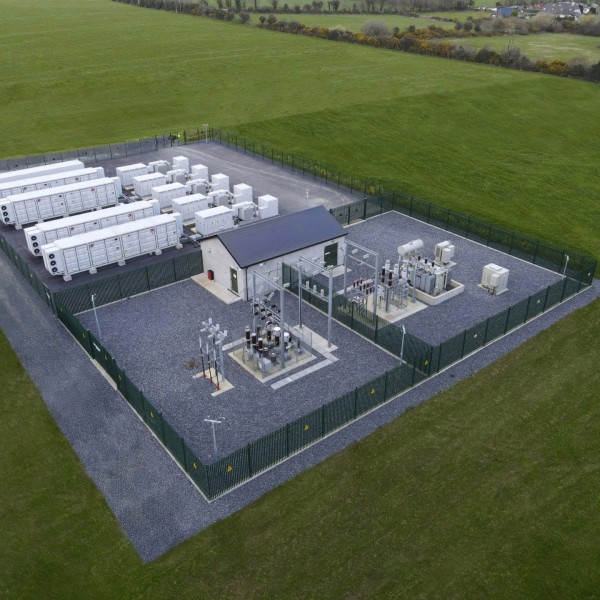
This fund has invested in onshore wind, solar, and battery storage projects in Europe.
The fund’s projects span 27 locations across six European countries. Once all sites are fully operational, they will produce enough clean energy to power circa 195,000 homes.
It is a closed ended fund with a hold for life strategy (29 years).
488 MW
Wind, solar, storage acquired at various stages of development, construction and operations

€345m
Including co-investment. 97% committed

235k tonnes
CO2 emissions displaced to date
completed
2015
Fund 1 - NTR Wind 1 LP
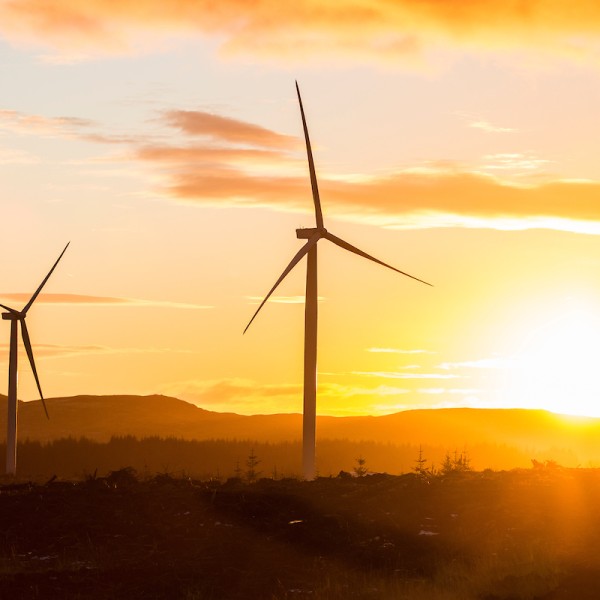
This fund has wind projects operating across 26 locations throughout Ireland and the UK, producing enough clean energy to power circa 155,000 homes.
It is a closed ended fund with a hold for life strategy (25 years).
223 MW
Onshore wind acquired at ready-to-build stage
€206m
Invested over 2 years
900k tonnes
CO2 emissions displaced to date